
- All
- Product Name
- Product Keyword
- Product Model
- Product Summary
- Product Description
- Multi Field Search
Views: 0 Author: Site Editor Publish Time: 2026-04-13 Origin: Site


Why do many textile startups struggle to scale today? They face rising demand, yet slow and labor-heavy production holds them back. Customers now expect faster delivery, custom designs, and consistent quality across every order. A robotic tufting machine offers a smarter path forward. It helps startups turn digital ideas into finished products quickly and accurately. Instead of large teams, one operator can manage the full process with ease.
Innovators like MIXC continue to improve this technology through precision control and intelligent systems. In this article, you will learn how smart robotic tufting machine solutions help textile startups improve efficiency, expand creativity, and build competitive, scalable businesses.
Running a startup often means working with limited resources. Hiring skilled labor for hand-tufting can be expensive and time-consuming. A robotic tufting machine simplifies this by automating the most repetitive and physically demanding tasks. One person can oversee the entire process—from uploading a design to monitoring production. This reduces dependency on large teams and allows founders to focus on product development, branding, and sales. It also lowers training time since operating the machine relies more on digital workflows than manual skills.
Speed is critical in today’s market. Trends change quickly, and startups need to test ideas before committing to full production. A robotic tufting machine allows rapid prototyping, often completing samples within hours instead of days.
This speed helps startups gather feedback, refine designs, and launch products faster. It also supports limited-edition collections or seasonal drops, giving brands more flexibility to stay relevant.
Inventory can be a major risk for new businesses. Producing large quantities upfront may lead to unsold stock. With a robotic tufting machine, startups can adopt an on-demand model.
They produce only what customers order. This reduces storage costs, minimizes waste, and improves cash flow. It also aligns well with modern consumer preferences for customized and sustainable products.
Consistency builds trust. Early-stage brands cannot afford variations in quality. A robotic tufting machine ensures uniform stitch placement, pressure, and yarn distribution across every product. Unlike manual processes, machines do not tire or vary in performance. This helps startups deliver a professional finish from the beginning, making it easier to compete with established brands.
Startups often experiment with different product lines. A robotic tufting machine supports this flexibility. It allows quick switching between designs, sizes, and materials without major setup changes. This adaptability makes it easier to pivot, explore new niches, or respond to customer demand without investing in multiple production systems.
Tip: Focus on flexibility early—machines that support multiple product types can reduce future capital investment.
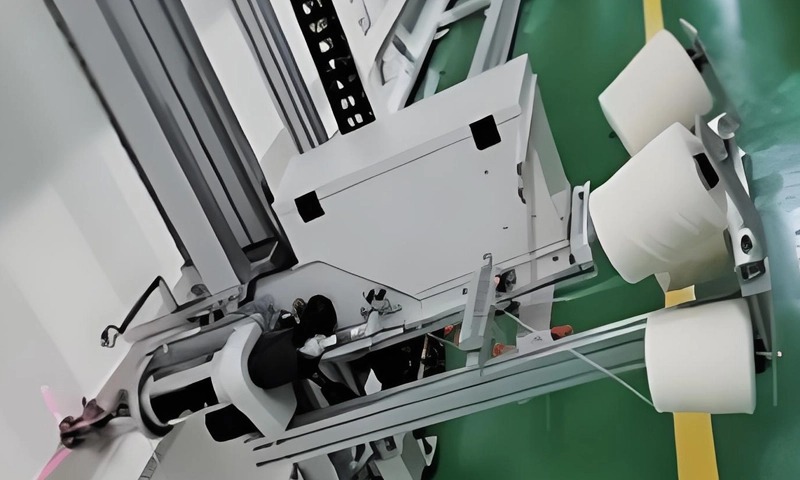
Precision defines product quality in tufted textiles. Advanced robotic tufting machines offer highly accurate positioning systems, ensuring each stitch lands exactly where it should.
This level of control allows startups to produce detailed patterns and intricate designs that would be difficult to achieve manually. It also ensures repeatability, which is critical for scaling production while maintaining brand standards.
Speed directly affects productivity. Modern robotic tufting machines can achieve high stitch rates, allowing startups to complete more products in less time.
This efficiency reduces turnaround time for customer orders and increases production capacity without requiring additional labor. For startups, this means better resource utilization and improved profitability.
Production interruptions can slow down operations and affect output quality. Smart machines include automated yarn break detection systems that alert operators immediately. Some systems even pause and return to the exact point of interruption, reducing errors and saving time. This ensures smoother workflows and minimizes material waste.
Ease of use is essential for startups without specialized technicians. Many robotic tufting machines feature intuitive control interfaces that simplify operation. Users can adjust parameters such as stitch density, needle spacing, and speed directly through the system. This reduces the learning curve and allows faster onboarding of new operators.
Design flexibility starts with software. A robotic tufting machine that supports common design formats allows seamless integration between creative tools and production.
Designers can create patterns digitally, preview results, and then upload files directly to the machine. This eliminates manual translation errors and speeds up the design-to-production process.
Product diversity attracts more customers. Machines that support both cut pile and loop pile offer more creative options. They allow varied textures and layered designs.
Some solutions, like those developed by MIXC, combine these features in one system. It helps startups expand product lines without extra equipment.
Feature | Startup Benefit |
Precision positioning | Consistent product quality |
High-speed tufting | Faster production cycles |
Smart detection systems | Reduced downtime and waste |
Design software support | Smooth design-to-production workflow |
Multi-pile capability | Greater product variety |
Machines that combine these features give startups a more balanced production system. They improve efficiency while also expanding creative possibilities without adding complexity.
Application Type | Description | Business Value |
Custom rugs | Tailored designs for clients or designers | Premium pricing and strong branding |
Textile art | Turn digital artwork into tufted pieces | Access to art markets and commissions |
Soft furnishings | Cushions, upholstery, and decor items | Higher order value and product bundles |
Personalized products | Custom names, logos, or limited editions | Strong differentiation and demand |
Custom rugs remain one of the most popular applications. A robotic tufting machine allows startups to produce bespoke designs tailored to individual clients or interior designers.
This approach supports premium pricing and builds strong brand identity. It also allows collaboration with architects and decorators, expanding business opportunities.
Artists are increasingly using tufting as a medium. With a robotic tufting machine, digital artwork can be transformed into physical textile pieces with high precision.
This opens opportunities in galleries, online marketplaces, and commissioned art projects. It also allows artists to scale production while maintaining artistic integrity.
Beyond rugs, tufting technology can be applied to various soft furnishing products. Cushions, seat covers, and upholstered panels benefit from unique textures and patterns.
Startups can create cohesive product collections, increasing average order value and brand consistency across product lines.
Customization is a strong selling point. A robotic tufting machine makes it easy to offer personalized designs, including names, logos, or custom color schemes.
Limited-edition releases also create exclusivity, driving demand and enhancing brand perception. These strategies help startups stand out in competitive markets.
The transition from digital design to physical product is seamless with robotic systems. Designers create patterns using graphic software, then convert them into tufting paths. The machine follows these paths precisely, ensuring that the final product matches the original design. This reduces errors and shortens production time.
Automation enables more complex designs. A robotic tufting machine can control pile height, density, and direction with high accuracy.
This allows startups to experiment with textures and create visually striking products. Complex patterns that would take hours manually can be completed efficiently.
Innovation often starts with testing ideas quickly. A robotic tufting machine makes it easier for startups to explore different design elements without slowing production. Instead of committing to one style, they can try multiple variations and refine them based on real results.
Experiment Area | What Startups Can Test | Business Impact |
Yarn types | Different materials, thickness, and textures | Discover unique product feel and quality |
Color combinations | Bold contrasts, gradients, or subtle palettes | Create visually appealing collections |
Pile variations | Cut pile, loop pile, and mixed techniques | Add depth and product differentiation |
This kind of experimentation helps startups quickly identify best-selling designs and improve their product lineup. It also supports continuous creativity, which plays a key role in building a distinctive brand.
Choosing the right machine starts with understanding your business model. A startup focused on custom rugs may need different capabilities than one producing upholstery or mixed product lines. Key considerations include production volume, design complexity, and target market. Aligning these factors ensures better return on investment and avoids unnecessary upgrades later.
Technical specifications matter. Startups should compare machines based on speed, precision, working area, and software compatibility across different design tools.
A larger working area supports bigger products, while higher speed improves efficiency. Reliable software integration ensures smooth workflows from design to production and reduces manual errors.
Space constraints are common for startups. Many robotic tufting machines are compact enough for studios or small workshops, making them easier to install.
Proper layout planning improves workflow efficiency and ensures safe operation. It also allows room for future expansion as the business grows steadily.
Support services affect long-term success. Reliable suppliers offer training and technical assistance. Companies like MIXC provide end-to-end support. This reduces setup time and avoids common issues. It helps startups operate smoothly from day one.
Selection Factor | Why It Matters |
Machine speed | Faster order fulfillment |
Precision level | Consistent product quality |
Workspace size | Fit for studio or small workshop |
Software ecosystem | Smooth design integration |
Supplier support | Easier setup and maintenance |
Note: Choose a supplier that provides ongoing technical assistance, not just initial installation.
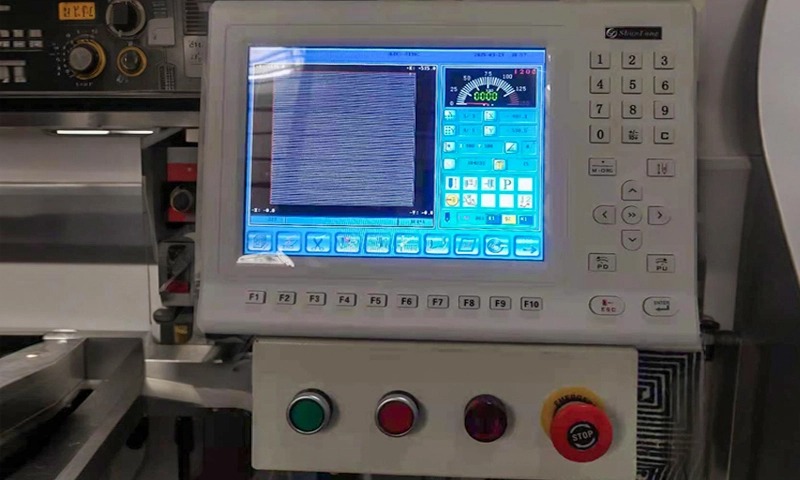
Investing in a robotic tufting machine does more than improve production. It opens new paths for growth, creativity, and business expansion. Startups can move faster, offer more value, and build stronger connections with their customers.
Growth Area | What It Enables | Business Impact |
Faster product launches | Quick design development and short production cycles | Stay aligned with fast-changing trends |
Customization capabilities | Personalized designs and made-to-order products | Higher pricing and stronger brand appeal |
Localized production | In-house or near-market manufacturing | Better quality control and faster delivery |
New revenue streams | Workshops, collaborations, and creative services | Diversified income and brand engagement |
These advantages help startups stay agile and competitive. They also support long-term growth by combining efficiency, creativity, and market responsiveness.
A smart robotic tufting machine is not just a tool. It acts as a key driver for textile startup growth. It supports faster production, flexible design changes, and stable product quality. These factors help new brands enter the market with confidence and scale more smoothly.
By choosing the right solution, startups can turn creative ideas into real products quickly. They gain better control over cost, efficiency, and customization. This makes it easier to compete in a fast-moving textile market. MIXC Textile Technology Co., Ltd. provides advanced robotic tufting machine solutions that combine precision, speed, and intelligent control. Their systems and support services help startups reduce complexity, improve output, and build strong, scalable production capabilities.
A: A robotic tufting machine is an automated system that inserts yarn into backing material based on a digital design. It helps textile startups produce rugs, wall art, and soft furnishings faster and more consistently.
A: A robotic tufting machine helps startups reduce manual work, improve sampling speed, and keep product quality stable. It also supports small teams that need flexible and efficient production.
A: It turns digital artwork into tufting paths quickly and accurately. This lets startups test colors, textures, and pile styles faster, which makes prototyping and product updates much easier.
A: Yes. A robotic tufting machine is ideal for custom rugs, personalized decor, and limited-edition products. It supports on-demand production, which helps brands avoid excess inventory.
A: Startups should look for precision positioning, high-speed tufting, software compatibility, yarn break detection, and support for cut pile and loop pile. These features improve efficiency and product variety.
A: Manual tufting offers a hands-on process, but it usually takes more labor and time. A robotic tufting machine delivers better consistency, faster output, and easier scaling for growing brands.


