
- All
- Product Name
- Product Keyword
- Product Model
- Product Summary
- Product Description
- Multi Field Search
Views: 0 Author: Site Editor Publish Time: 2026-01-13 Origin: Site


Starting a rug business can be an exciting and rewarding venture, especially with the advent of robotic tufting machines. These automated systems offer high-speed, precision tufting that makes rug production more efficient, consistent, and scalable. With the right equipment and planning, you can create a successful rug business that stands out in the market. This guide will walk you through the essential steps to starting a rug business with a robotic tufting machine, from choosing the right machine to setting up your production line and marketing your products.
A robotic tufting machine significantly increases production speed compared to manual tufting. These machines can operate continuously, allowing for high-volume production in a short amount of time. With tufting speeds of up to 2,000 stitches per minute, a robotic tufting machine can produce large quantities of rugs in a fraction of the time it would take with hand-operated tools. This increased efficiency reduces labor costs, helps meet customer demands more quickly, and enables your business to scale more effectively.
One of the key benefits of robotic tufting machines is their high level of precision. The automated system ensures that each stitch is placed accurately, resulting in consistent quality across all products. This level of consistency is especially important in industries where uniformity is critical, such as in mass production or when dealing with high-end, luxury rugs. By minimizing human error, a robotic tufting machine guarantees that every rug produced meets the same high standard.
Unlike traditional manual tufting, robotic tufting machines can handle a wide range of designs with ease. Whether you are creating intricate patterns or simple geometric designs, these machines can replicate your desired pattern with high accuracy. This flexibility allows you to offer a variety of rug styles to your customers, catering to different tastes and market demands. Additionally, the machines can quickly switch between different designs, which is ideal for businesses that take on custom orders.
While the initial cost of a robotic tufting machine may be higher than manual tufting tools, the long-term savings and return on investment (ROI) are substantial. The increased production speed, reduced labor costs, and higher consistency lead to greater profitability over time. Furthermore, robotic tufting machines are durable and built to last, making them a wise investment for businesses looking to grow and expand.
Before purchasing a robotic tufting machine, it's essential to conduct thorough research and planning for your rug business. The first step is to identify your target market. Are you aiming to produce high-end custom rugs, or will you focus on mass-market, affordable rugs? Understanding your target market will guide your decisions on the types of machines you need, the scale of production, and your marketing strategies.
Conduct a comprehensive analysis of the rug market to understand trends, pricing, and customer preferences. This research will help you identify your niche in the market and create products that stand out. Additionally, evaluate your competition to see what other rug manufacturers are offering and find areas where you can differentiate yourself.
Write a business plan that outlines your goals, production targets, pricing strategies, and financial projections. Your business plan will serve as a roadmap for the growth of your rug business and will help you secure financing if needed. Make sure to include details about how the robotic tufting machine will fit into your production process and contribute to your business objectives.
Choosing the right robotic tufting machine is a critical step in setting up your rug business. Several factors influence the price and functionality of the machines, and it’s important to match the machine’s features to your production needs.
Feature | Considerations |
Speed | Machines with higher tufting speeds allow for increased production rates. |
Customization | Some machines offer the ability to create highly customized patterns and designs. |
Design Compatibility | Ensure the machine supports the design file formats (DST, DSB) you plan to use. |
Production Capacity | Larger machines are suitable for mass production, while smaller machines are good for custom work. |
Automation Level | Full automation reduces labor costs and increases consistency. |
Price | Match the machine’s price to your budget and long-term financial goals. |
Entry-Level Models: These machines are ideal for small businesses or those just starting with automated tufting. They tend to have basic features and lower production speeds.
Mid-Range Models: These machines offer a good balance of price and performance, with features like faster speeds, improved software, and increased design flexibility.
High-End Models: High-end robotic tufting machines are designed for large-scale operations and come with the latest automation, software integration, and high production capacities.
Once you've selected the right machine, work with a reputable supplier to purchase the machine. Ensure that you understand all aspects of the warranty, installation process, and after-sales support. It’s essential to get familiar with the terms and conditions of your purchase to avoid any unexpected costs later.
After purchasing the robotic tufting machine, it’s time to set up your production facility. The setup process includes planning your workspace to accommodate the machine, ensuring proper electrical connections, and creating an efficient workflow.
When setting up your facility, make sure to leave adequate space around the machine for both operation and maintenance. Consider factors like ventilation, electrical wiring, and safety measures. You may also need to create areas for material storage, packaging, and quality control.
Most suppliers will offer installation services, but it’s crucial to have a professional team handle the setup to ensure that everything is properly installed and calibrated. The installation team will test the machine to ensure it is functioning correctly and meets your production specifications.
Training your operators is essential for the smooth running of the machine. The robotic tufting machine is complex, and proper training will ensure that your team can handle the machine efficiently and troubleshoot any issues that arise. Most suppliers provide training as part of the installation process.
With the machine set up and your operators trained, you can now start creating your rug designs. The design process involves using specialized software to create the patterns and input them into the robotic tufting machine.
Most robotic tufting machines come with integrated design software that allows you to upload and customize design files. You can create your patterns, adjust color schemes, and tweak the design to match your customers’ preferences. Popular design file formats like DST and DSB are commonly used, so ensure your software is compatible with these formats.
Once your designs are ready, input them into the machine’s control system. The machine will automatically replicate the pattern on the fabric, ensuring accuracy and consistency across all rugs produced. With robotic tufting, the design-to-production process is streamlined, saving time and reducing errors.
Now that you have a high-quality product, it’s time to market and sell your rugs. Building a brand and establishing an online presence is crucial for reaching potential customers and growing your rug business.
Create a unique brand identity that reflects your rug designs and business values. Invest in professional photography for your products and design a website to showcase your rug collections. Use social media platforms to engage with potential customers and showcase your products in real-world settings.
There are various ways to sell your rugs, including online marketplaces, your own e-commerce store, and brick-and-mortar retail stores. Consider offering customization options to appeal to customers who want unique, personalized rugs. You can also attend trade shows and partner with interior designers to expand your customer base.
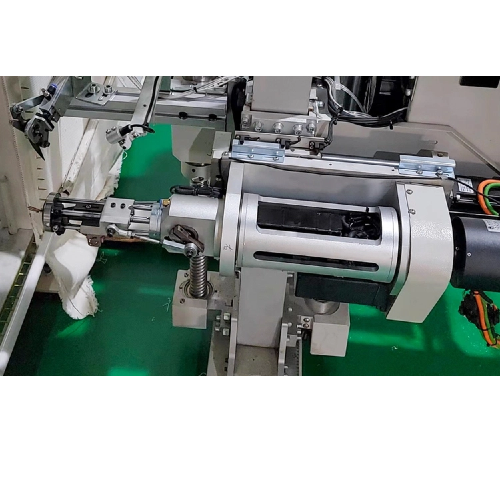
A robotic tufting machine can handle high-volume production, which is crucial for businesses looking to scale. The machine can operate continuously, reducing downtime and ensuring that you can meet large orders quickly.
Consistency is key in the rug business. Robotic tufting machines ensure that every rug produced meets the same high-quality standards, with accurate stitch placement and uniform designs. This level of consistency is especially important for customers who require specific patterns or designs.
By reducing the need for manual labor, robotic tufting machines help cut down on operating costs. With automation handling most of the production process, you can operate with fewer employees, allowing you to allocate resources to other areas of your business, such as marketing or customer service.
The versatility of robotic tufting machines allows you to quickly adapt to changing design trends. Whether you need to create custom orders or stay ahead of fashion trends, these machines give you the flexibility to respond to market demands in real time.
While robotic tufting machines require a significant initial investment, the long-term benefits—such as increased productivity, reduced labor costs, and higher-quality products—make them a wise choice for serious rug businesses. It’s essential to weigh the upfront costs against the potential ROI.
Regular maintenance is critical for keeping your robotic tufting machine running smoothly. Schedule regular checks and cleaning to prevent breakdowns and ensure optimal performance. You can also purchase maintenance packages from suppliers to handle the technical aspects of upkeep.
Offering exceptional customer service and the ability to create custom rug designs will help your business stand out. A personalized approach will not only build customer loyalty but also attract new customers seeking unique and high-quality rugs.
The cost of a robotic tufting machine can be a barrier for some businesses, but financing options such as leasing or installment payments can make the initial investment more manageable. Consider exploring these options to ease the financial burden.
Training your staff to operate robotic tufting machines is essential for success. Investing in training will ensure that your team is capable of handling the technology and troubleshooting any issues that may arise during production.
The rug business can be highly competitive, but offering unique, high-quality products can give you a competitive edge. By focusing on craftsmanship, custom designs, and exceptional customer service, you can differentiate your business from others in the market.
Starting a rug business with a robotic tufting machine offers substantial advantages, including faster production, superior quality, and scalability. These advanced machines allow you to create high-quality rugs quickly and with precision, ensuring consistency across every product. Investing in a robotic tufting machine not only boosts your production efficiency but also enhances your ability to meet growing market demand.
At MIXC Textile Technology Co., Ltd., we specialize in providing high-performance robotic tufting machines designed to help businesses thrive. Our machines offer a range of features to suit different production needs, from small-scale custom designs to large-volume manufacturing. Whether you're just starting or looking to scale your operations, we can provide the right solution for your rug business.
By choosing the right equipment and following a strategic approach, you can create a successful and sustainable rug business. Reach out to us today to explore how our robotic tufting machines can help you achieve your business goals, streamline production, and improve product quality. Let us help you take the next step in growing your business efficiently and effectively.
The price of a robotic tufting machine can range from $50,000 to $500,000+, depending on the machine's capabilities, production speed, and features.
Yes, robotic tufting machines are versatile and can handle both large-scale production and custom rug designs, providing flexibility for various market needs.
Consider your production volume, the complexity of designs, budget, and long-term goals when selecting a robotic tufting machine. Consulting with suppliers can help guide your decision.
The key benefits include increased production speed, improved product consistency, lower labor costs, and the ability to quickly adapt to design trends.
Many suppliers offer financing options, including leasing and installment plans, to help businesses manage the cost of purchasing a robotic tufting machine.


